
The Rise of Managed Households
For generations, the private household operated according to a remarkably simple formula. A family hired an individual. The relationship was established. Responsibilities were agreed. The household functioned through trust, experience and continuity.
In many cases, that model continues to work exceptionally well. Yet across cities such as Hong Kong, Singapore, London and Dubai, a quiet shift has begun to emerge. Increasingly, affluent households are not simply looking for staff. They are looking for systems.
Not because standards have fallen. But because life has become more complex. Families travel more frequently. Children follow demanding educational schedules. Homes have become more technologically sophisticated. Expectations surrounding service, childcare, wellness and household management continue to rise.
The result is a growing interest in a concept that has long existed within other industries but only recently begun to influence private service. The managed household.
A Shift in Expectations
Luxury has always evolved alongside lifestyle. There was a time when luxury meant ownership. Then it became access. Today, for many affluent families, luxury is increasingly defined by simplicity.
Not simplicity in the literal sense. But simplicity of experience. The ability to focus attention on family, work, travel and personal priorities without becoming consumed by the operational demands of daily life.
This shift has altered the way households think about support. Rather than asking, “Who can help us?” many families are beginning to ask a different question. “How can our household function more effectively?” The distinction may appear subtle. In practice, it changes everything.
The Household as a Living System
The most successful homes rarely depend upon a single individual. Instead, they operate through a network of interconnected responsibilities. Cleaning. Laundry. Organisation. Childcare. Scheduling. Inventory management. Guest preparation. Maintenance.
Each element contributes to the overall experience of living well. The challenge is that these responsibilities often overlap. Tasks are forgotten. Standards vary. Information is lost when individuals leave. Knowledge remains fragmented.
Over time, small inefficiencies accumulate. The household begins reacting rather than operating proactively. Managed household models emerged largely in response to this reality. Rather than focusing solely on individual placements, they focus on consistency, oversight and continuity. The objective is not simply staffing. It is household performance.
Lessons from Hospitality
Some of the strongest influences on modern household management have come from luxury hospitality. The world's finest hotels understand something fundamental. Guests should not need to think about operations. The experience should feel natural. Effortless. Predictable in the best possible sense.
A private residence is obviously different. A home should never feel institutional. Yet many of the underlying principles remain surprisingly relevant. Clear standards. Professional training. Quality control. Operational consistency. Attention to detail. These are not hospitality concepts alone. They are service principles. And increasingly, affluent households are adopting them.
Why Urban Families Are Driving the Trend
The rise of managed household services has been particularly noticeable in major international cities. Hong Kong provides a compelling example. Space is limited. Time is valuable. Professional schedules are demanding.
Many households require support but do not necessarily require large live-in staffing structures. The traditional domestic staffing model does not always align perfectly with modern urban life. Families often seek flexibility without compromising standards. They value reliability but also accountability. They want support that adapts to changing circumstances.
This has created demand for new approaches to household service. Approaches that combine professional staffing with operational oversight.
Beyond Recruitment
One of the defining characteristics of managed household services is the recognition that recruitment alone is only one part of a larger equation. Finding the right individual remains important. However, long-term success depends upon what happens afterwards. Training. Performance standards. Ongoing development. Household integration. Continuity planning.
These elements have traditionally been left entirely to individual households. Increasingly, families are seeking greater support. Not because they are incapable of managing staff themselves. But because they recognise the value of expertise.
Just as family offices oversee financial matters and advisers support legal or tax structures, many households now appreciate the benefits of professional guidance within the domestic environment.
The Human Element Remains Central
Despite growing sophistication, managed household services are not fundamentally about systems. They are about people. The objective is not to remove human connection. It is to support it.
Exceptional household professionals remain at the heart of every successful home. Housekeepers who notice details others overlook. Nannies who create stability for children. House managers who bring calm to complexity. Household professionals whose presence improves daily life in ways that are often difficult to quantify.
The strongest managed service models recognise this reality. Systems support people. They do not replace them.
A New Chapter in Hong Kong
The evolution of household management has become particularly visible in Hong Kong. As one of Asia's most international cities, it brings together global executives, entrepreneurs, investors and multi-national families whose lifestyles often span multiple jurisdictions.
Many are accustomed to exceptional service standards in every aspect of their lives. Yet historically, household support options have often remained divided between traditional domestic staffing and luxury concierge services. The space between those two models has remained relatively underdeveloped.
This observation helped inspire the creation of Maisonette Hong Kong. Designed as a managed household services concept, Maisonette was created around a simple premise. That modern households deserve the same professionalism, consistency and operational standards increasingly expected across other luxury sectors. Not through complexity. But through thoughtful structure. Professional training. Clear standards. And carefully selected household professionals who understand that service is as much about attitude as it is about skill.
A More Thoughtful Way to Live
The finest households have always shared certain qualities. Calm. Consistency. Warmth. Attention to detail. A sense that life unfolds naturally within them.
Achieving that atmosphere has never been accidental. It has always depended upon people, standards and thoughtful stewardship. Managed households simply represent a contemporary expression of that idea. Not a replacement for traditional private service. But an evolution of it.
A recognition that modern life requires modern solutions. And that true luxury is often found not in what is added to life, but in what is quietly taken away. Stress. Complexity. Friction. Leaving behind what many families value most. The freedom to simply enjoy being at home.
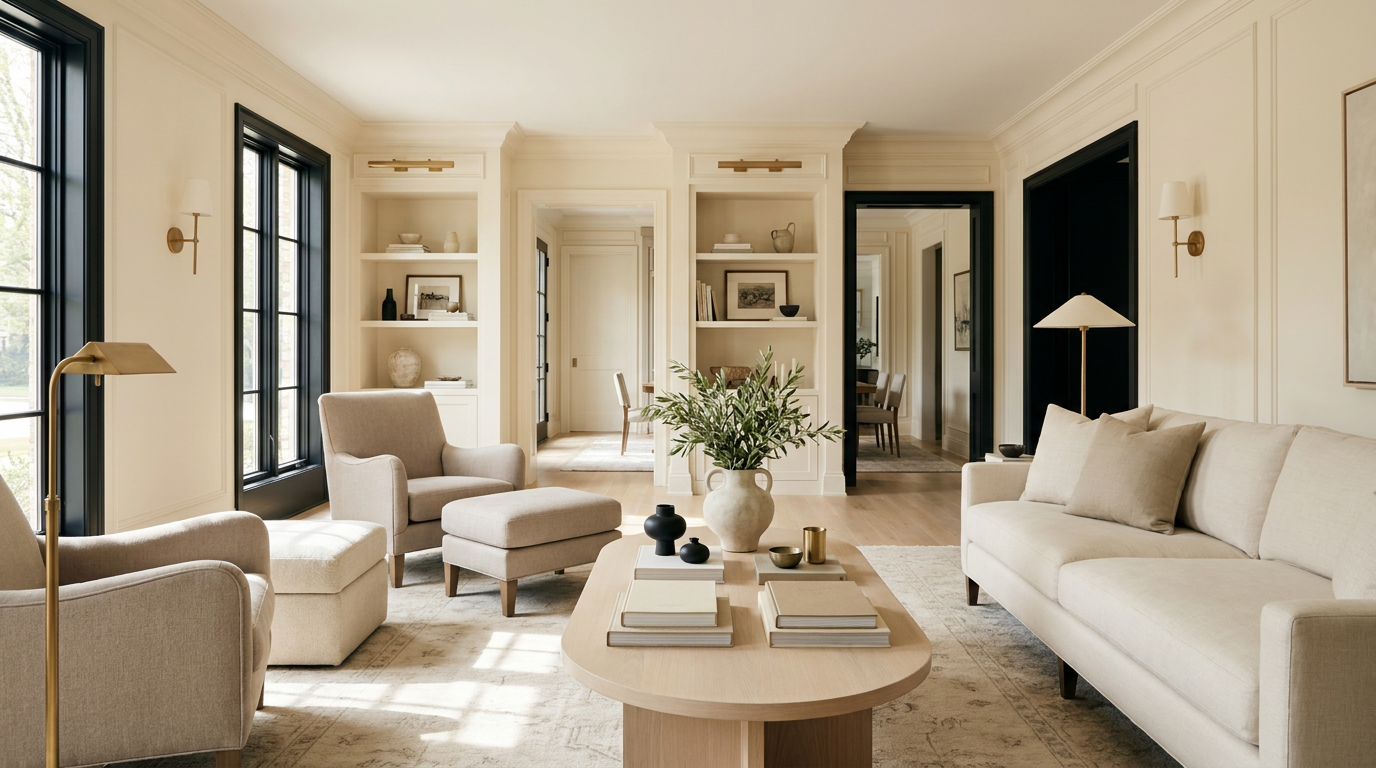
The Quiet Architecture of Service
How exceptional households are shaped not only by design, but by the invisible systems, people and standards that sustain them.

The Future of Household Staffing in Asia
How rising wealth, global mobility and changing lifestyles are reshaping household staffing across Asia.
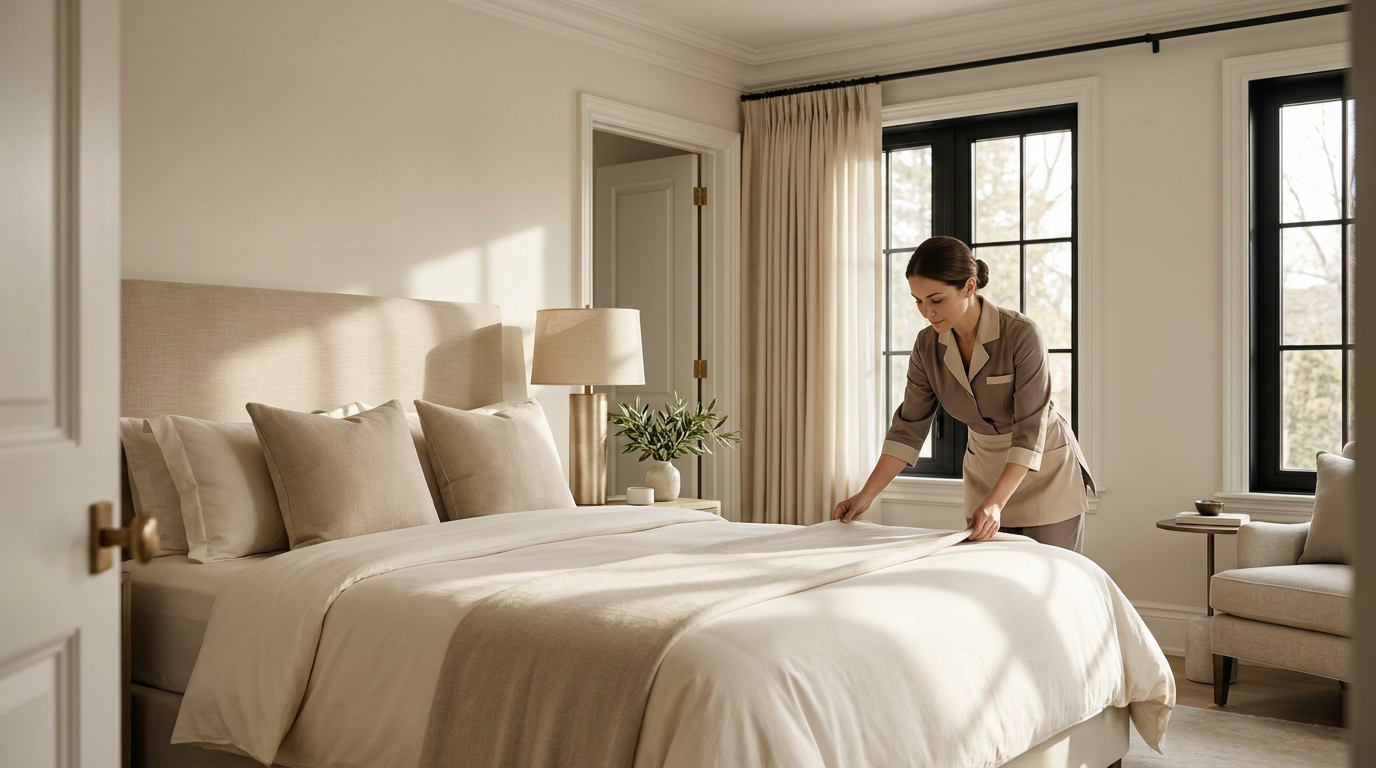
The Evolution of Private Staffing in the Modern Household
How private staffing has evolved from traditional domestic service into a sophisticated profession supporting modern international households.
Royal Maison International is the evolution of Savoir Vivre, serving private households, family offices and international principals worldwide.
Learn more:
- Royal Maison Dubai → royal-maison.com
- Maisonette Hong Kong → maisonette.global